
Lukas Nelson Explains Why He Quit Smoking Weed And Drinking (Exclusive)
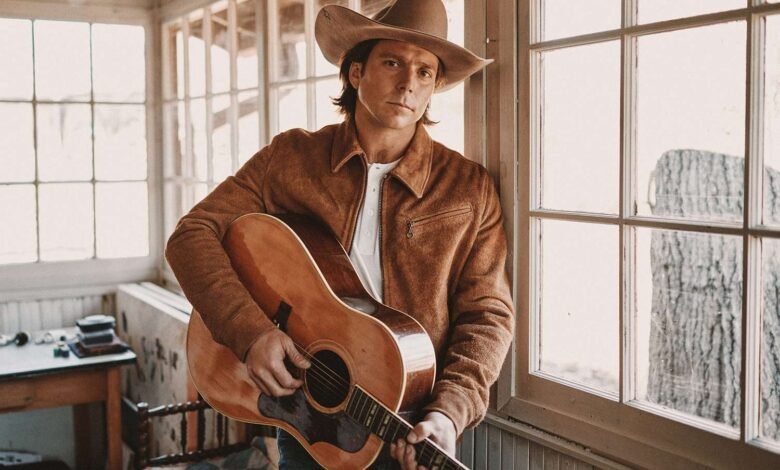
NEED TO KNOW
- Lukas Nelson reveals why he quit drinking and smoking weed
- The musician says it was largely for a desire to get good sleep, but wound up doing
- “I get high from making the right decision every time,” he says
Lukas Nelson has his sleep to thank for helping him get into the best shape of his life.
The singer-songwriter, 37, opens up to PEOPLE in this week’s issue about his decision to stop drinking and smoking marijuana around two years ago, which was largely inspired by a desire to get some good sleep.
“Every time I took a drink or smoked weed, it just f—-d my sleep up. I think I honestly can credit the WHOOP band for making me stop drinking,” he says of the fitness band that tracks exercise and sleep metrics. “Because I was just like, even one drink, it just screws it up so bad that I was like, ‘I’d rather wake up feeling good.’”
Nelson, the son of country legend and known marijuana aficionado Willie Nelsonsays he was never the biggest fan of drinking anyway, but smoking weed was harder to quit.
“I got clear with myself and I faced a lot of my fears and I realized they weren’t that scary after all,” he says. “Now I can be clear with myself and not want to run away from myself, which is great. I get high from making the right decision every time. I’m addicted to that high now of saying no. It’s a great feeling.”
Gilbert Flores/Billboard via Getty
Among those fears? Flying, which Nelson says inspired him to get his pilot’s license.
“I got my pilot’s license, and did all these things that I wanted to do that when I was smoking a lot of weed, I never would’ve tried, because I’d have figured I probably shouldn’t do both those things at the same time,” he says.
The “Disappearing Light” singer previously toldRolling Stone’sNashville Nowpodcast that he doesn’t consider himself “completely” sober, as he still does mushrooms once or twice a year.
He also spoke about Willie’s reaction to his quitting weed on Howard Stern’s SiriusXM radio show.
“My father, of anyone, respects someone for being who they are and their individuality,” he explained, adding that the “biggest lie” he ever believed was that he was supposed to “make the mistakes that your heroes make.”
Terry Wyatt/Getty
Willie, 92, has also stopped smoking weedas he said in June his body has had enough.
“My lungs have already said, ‘Don’t do that,’” he said. “So I don’t really do anything now much except a few edibles.”
Nelson and his famous father will go up against one another at the 2026 Grammy Awards, as both have albums nominated in the Best Traditional Country Album category. His debut solo album,American Romancecame out earlier this year, while Willie is up for his albumOh What a Beautiful World.
“I was kind of an awkward kid. I wondered who I was in the context of being the son of someone famous,” says Nelson. “Music gave me an avenue to put all my pain into and transform it like alchemy into something beautiful. It really did save my life. It kept me from going down dark paths, and it’s given me a sense of meaning and purpose and confidence.”
Disclaimer: This news article has been republished exactly as it appeared on its original source, without any modification.
We do not take any responsibility for its content, which remains solely the responsibility of the original publisher.
Disclaimer: This news article has been republished exactly as it appeared on its original source, without any modification.
We do not take any responsibility for its content, which remains solely the responsibility of the original publisher.
Author: uaetodaynews
Published on: 2026-01-02 05:29:00
Source: uaetodaynews.com