
Pre-K Teachers Are Hesitant To Use Artificial Intelligence Why? The 74
Join our zero2eight Substack community for discussion about the latest news in early care and education.Sign up now.
Join و our و zero2eight – تفاصيل مهمة
Generative artificial intelligence is quickly spreading through U.S. public schools. Between the 2023–2024 and 2024–2025 school years, the share of K–12 teachers using gen AI for work doubled — from 25% to 53%.
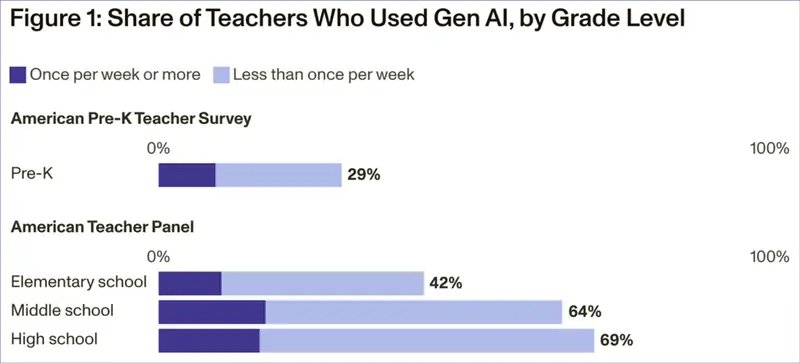
Prekindergarten teachers have been slower to adopt these tools. Our recent national survey of 1,586 public school pre-K teachers found that only 29% used gen AI in 2024–2025. Does this lower usage rate matter?
It does if AI can help pre-K teachers manage their work efficiently or improve learning without exposing children to risks. Insights from teachers — through surveys and focus groups — provide some answers.
Why the big gap in AI adoption? One possibility is that pre-K teachers might be resistant to using technology in general. A second is that gen AI might be less useful for their daily tasks.
teachers و AI و to – تفاصيل مهمة
Compared to teachers for older students, many pre-K teachers are less likely to grade papers, write complex assessments or develop lessons with extensive written material. A third possibility is that pre-K teachers might worry that AI tools are not developmentally appropriate for young children.
Our research shows that general technology resistance does not appear to be driving their lower use of gen AI among these teachers. About 80% of pre-K teachers surveyed regularly use interactive whiteboards, digital platforms to communicate with families and digital resources included with curricula.
It’s possible that gen AI is less useful to pre-K teachers, but that is not the full story. Teachers in our survey held positive views of technology’s potential benefits — including for tasks that gen AI could support. than 80% agreed that technology could help with instructional planning, administrative work, communicating with families and exposing children to experiences beyond the classroom.
Further , gen AI might be helpful for differentiating instructional materials for students with wide-ranging needs and interests. Already, K-12 teachers use AI to adjust the rigor of classroom activities, adapt lessons to fit the individualized education program goals of students with disabilities, and create engaging content tailored to students’ interests and skill gaps. Gen AI could be useful in similar ways for pre-K classrooms.
to و AI و with – تفاصيل مهمة
The biggest source of teachers’ hesitation regarding gen AI appears to be concerns about developmental appropriateness for young children. AI-based tools often rely on computers or tablets.
In focus groups, teachers voiced concern about young children spending too much time on screens, potentially limiting opportunities to build social and communication skills. Reflecting these concerns, only 37% of pre-K teachers reported using tablet- or computer-based educational programs with their students.
Many child development experts share teachers’ reservations, but there are no clear answers. Some caution about too much screen time or warn that excessive AI interaction may interfere with the human connections young children need, while others emphasize AI’s potential benefits for early learning.
This is a pivotal moment. Policymakers and educators have an opportunity to ensure that technology supports both the professional needs of pre-K teachers and the developmental needs of students. Education technology companies can help by working with independent researchers to examine how AI interactions affect child development and by integrating the research findings into product design.
Meanwhile, pre-K leaders face immediate choices about which technologies to allow and how often to use them. They should pay careful attention to how well tech products align with instructional goals, and they should make determinations about developmental appropriateness in close consultation with teachers and parents.
Some next steps are clearer. District and school leaders should provide robust training for teachers, specifically on how technology use in preschool settings should account for developmental needs.
and و to و how – تفاصيل مهمة
Leaders should also offer guidance on evaluating the quality of tech products for supporting learning. Only 37% of pre-K teachers in our survey had received such training — a critical gap.
Decisions about gen AI in pre-K require caution and collaboration. Expanding use without understanding its developmental implications could pose risks, while ignoring its potential benefits could miss opportunities. The choices educators make now will shape how technology influences young children’s learning for years to come.
Disclosure: Gates Foundation, which supported the RAND research, also provides financial support toThe 74.
its و could و The – تفاصيل مهمة
Did you use this article in your work?
We’d love to hear how The 74’s reporting is helping educators, researchers, and policymakers.Tell us how
how و Did و you – تفاصيل مهمة
Disclaimer: This news article has been republished exactly as it appeared on its original source, without any modification.
We do not take any responsibility for its content, which remains solely the responsibility of the original publisher.
Author:Jordy Berne and Christopher Doss and Ashley Woo
Published on:2025-12-17 23:30:00
Source: www.the74million.org
!function(f,b,e,v,n,t,s){if(f.fbq)return;n=f.fbq=function(){n.callMethod? n.callMethod.apply(n,arguments):n.queue.push(arguments)};if(!f._fbq)f._fbq=n; n.push=n;n.loaded=!0;n.version=’2.0′;n.queue=();t=b.createElement(e);t.async=!0; t.src=v;s=b.getElementsByTagName(e)(0);s.parentNode.insertBefore(t,s)}(window, document,’script’,’https://connect.facebook.net/en_US/fbevents.js’); fbq(‘init’, ‘626037510879173’); // 626037510879173 fbq(‘track’, ‘PageView’);{“@context”:”http://schema.org”,”@type”:”NewsArticle”,”dateCreated”:”2025-12-18T03:42:27+04:00″,”datePublished”:”2025-12-18T03:42:27+04:00″,”dateModified”:”2025-12-18T03:42:27+04:00″,”headline”:”Pre-K Teachers Are Hesitant to Use Artificial Intelligence Why? The 74″,”name”:”Pre-K Teachers Are Hesitant to Use Artificial Intelligence Why? The 74″,”keywords”:[],”url”:”https://uaetodaynews.com/pre-k-teachers-are-hesitant-to-use-artificial-intelligence-why-the-74/”,”description”:”Join our zero2eight Substack community for more discussion about the latest news in early care and education. Sign up now. Generative artificial intelligence is quickly spreading through U.S. public s”,”copyrightYear”:”2025″,”articleSection”:”Education”,”articleBody”:”nnn n Join our zero2eight Substack community for more discussion about the latest news in early care and education. Sign up now.n n n n nGenerative artificial intelligence is quickly spreading through U.S. public schools. Between the 2023u20132024 and 2024u20132025 school years, the share of Ku201312 teachers using gen AI for work doubled u2014 from 25% to 53%.nnnnPrekindergarten teachers have been slower to adopt these tools. Our recent national survey of 1,586 public school pre-K teachers found that only 29% used gen AI in 2024u20132025. Does this lower usage rate matter? It does if AI can help pre-K teachers manage their work more efficiently or improve learning without exposing children to risks. Insights from teachers u2014 through surveys and focus groups u2014 provide some answers.nnnnnnnnWhy the big gap in AI adoption? One possibility is that pre-K teachers might be resistant to using technology in general. A second is that gen AI might be less useful for their daily tasks. Compared to teachers for older students, many pre-K teachers are less likely to grade papers, write complex assessments or develop lessons with extensive written material. A third possibility is that pre-K teachers might worry that AI tools are not developmentally appropriate for young children.nnnnOur research shows that general technology resistance does not appear to be driving their lower use of gen AI among these teachers. About 80% of pre-K teachers surveyed regularly use interactive whiteboards, digital platforms to communicate with families and digital resources included with curricula.nnnnItu2019s possible that gen AI is less useful to pre-K teachers, but that is not the full story. Teachers in our survey held positive views of technologyu2019s potential benefits u2014 including for tasks that gen AI could support. More than 80% agreed that technology could help with instructional planning, administrative work, communicating with families and exposing children to experiences beyond the classroom.nnnnFurthermore, gen AI might be helpful for differentiating instructional materials for students with wide-ranging needs and interests. Already, K-12 teachers use AI to adjust the rigor of classroom activities, adapt lessons to fit the individualized education program goals of students with disabilities, and create engaging content tailored to studentsu2019 interests and skill gaps. Gen AI could be useful in similar ways for pre-K classrooms.nnnnThe biggest source of teachersu2019 hesitation regarding gen AI appears to be concerns about developmental appropriateness for young children. AI-based tools often rely on computers or tablets. In focus groups, teachers voiced concern about young children spending too much time on screens, potentially limiting opportunities to build social and communication skills. Reflecting these concerns, only 37% of pre-K teachers reported using tablet- or computer-based educational programs with their students.nnnnMany child development experts share teachersu2019 reservations, but there are no clear answers. Some caution about too much screen time or warn that excessive AI interaction may interfere with the human connections young children need, while others emphasize AIu2019s potential benefits for early learning.nnnnRelatedSurvey: 60% of Teachers Used AI This Year and Saved up to 6 Hours of Work a WeeknnnnThis is a pivotal moment. Policymakers and educators have an opportunity to ensure that technology supports both the professional needs of pre-K teachers and the developmental needs of students. Education technology companies can help by working with independent researchers to examine how AI interactions affect child development and by integrating the research findings into product design.nnnnMeanwhile, pre-K leaders face immediate choices about which technologies to allow and how often to use them. They should pay careful attention to how well tech products align with instructional goals, and they should make determinations about developmental appropriateness in close consultation with teachers and parents.nnnnSome next steps are clearer. District and school leaders should provide robust training for teachers, specifically on how technology use in preschool settings should account for developmental needs. Leaders should also offer guidance on evaluating the quality of tech products for supporting learning. Only 37% of pre-K teachers in our survey had received such training u2014 a critical gap.nnnnDecisions about gen AI in pre-K require caution and collaboration. Expanding use without understanding its developmental implications could pose risks, while ignoring its potential benefits could miss opportunities. The choices educators make now will shape how technology influences young childrenu2019s learning for years to come.nnnn Disclosure: Gates Foundation, which supported the RAND research, also provides financial support to The 74.nn n n n Did you use this article in your work?
nWeu2019d love to hear how The 74u2019s reporting is helping educators, researchers, and policymakers. Tell us hown n nnn !function(f,b,e,v,n,t,s){if(f.fbq)return;n=f.fbq=function(){n.callMethod?n n.callMethod.apply(n,arguments):n.queue.push(arguments)};if(!f._fbq)f._fbq=n;n n.push=n;n.loaded=!0;n.version=’2.0′;n.queue=();t=b.createElement(e);t.async=!0;n t.src=v;s=b.getElementsByTagName(e)(0);s.parentNode.insertBefore(t,s)}(window,n document,’script’,’https://connect.facebook.net/en_US/fbevents.js’);n fbq(‘init’, ‘626037510879173’); // 626037510879173n fbq(‘track’, ‘PageView’);n nnnnnDisclaimer: This news article has been republished exactly as it appeared on its original source, without any modification. nWe do not take any responsibility for its content, which remains solely the responsibility of the original publisher.nnnnnnAuthor: Jordy Berne and Christopher Doss and Ashley WoonPublished on: 2025-12-17 23:30:00nSource: www.the74million.orgn”,”publisher”:{“@id”:”#Publisher”,”@type”:”Organization”,”name”:”uaetodaynews”,”logo”:{“@type”:”ImageObject”,”url”:”https://uaetodaynews.com/wp-content/uploads/2025/09/images-e1759081190269.png”},”sameAs”:[“https://www.facebook.com/uaetodaynewscom”,”https://www.pinterest.com/uaetodaynews/”,”https://www.instagram.com/uaetoday_news_com/”]},”sourceOrganization”:{“@id”:”#Publisher”},”copyrightHolder”:{“@id”:”#Publisher”},”mainEntityOfPage”:{“@type”:”WebPage”,”@id”:”https://uaetodaynews.com/pre-k-teachers-are-hesitant-to-use-artificial-intelligence-why-the-74/”,”breadcrumb”:{“@id”:”#Breadcrumb”}},”author”:{“@type”:”Person”,”name”:”uaetodaynews”,”url”:”https://uaetodaynews.com/author/arabsongmedia-net/”},”image”:{“@type”:”ImageObject”,”url”:”https://uaetodaynews.com/wp-content/uploads/2025/12/ai-in-early-education-825×495.png”,”width”:1200,”height”:495}}
Disclaimer: This news article has been republished exactly as it appeared on its original source, without any modification.
We do not take any responsibility for its content, which remains solely the responsibility of the original publisher.
Author: uaetodaynews
Published on: 2025-12-17 23:42:00
Source: uaetodaynews.com